Introduction
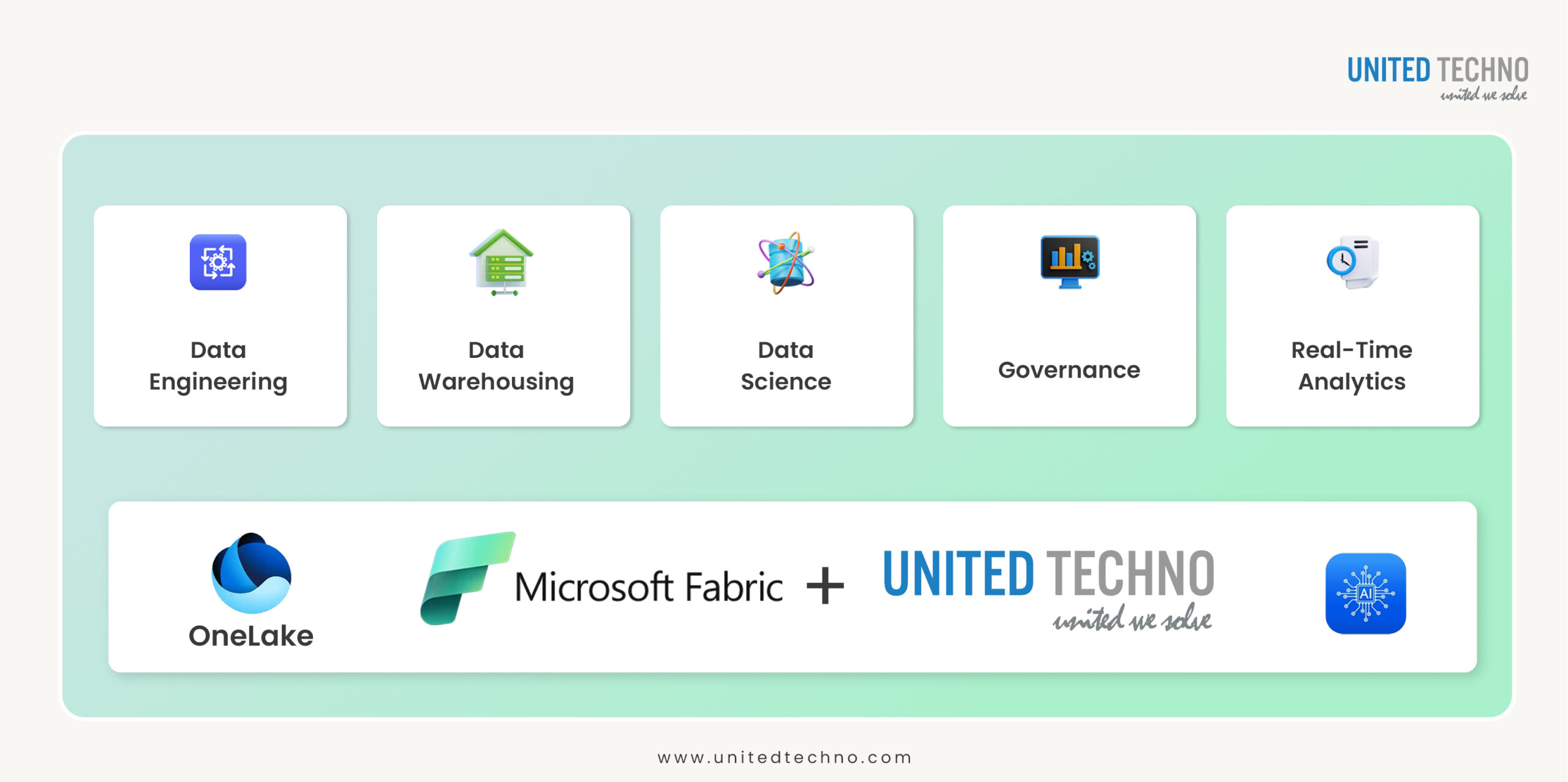
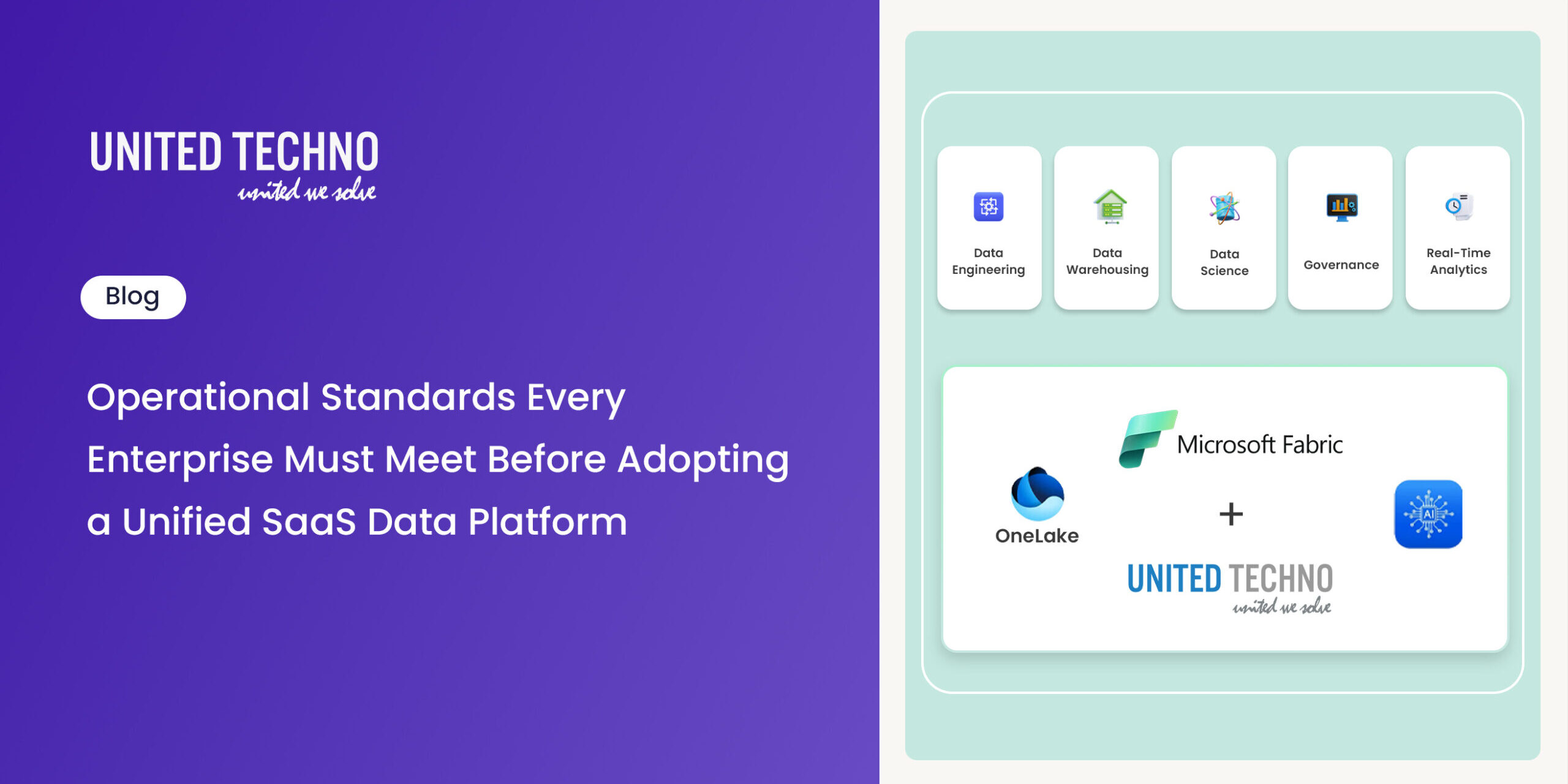
Microsoft Fabric Architecture is not simply another analytics platform upgrade.
It represents a structural shift toward a unified SaaS data operating model where ingestion, engineering, governance, and analytics operate within a single ecosystem.
Organizations attempting to adopt Fabric without validating architectural readiness often encounter unexpected challenges like performance instability, governance gaps, duplicated datasets, and rising operational complexity.
This guide outlines the minimum operational and architectural standards enterprises should meet before scaling Microsoft Fabric adoption.
If your current environment does not operate within these standards, modernization risks increase significantly.
1. Platform Architecture Standards
A Fabric-ready organization operates with a clearly defined and controlled platform structure.
Your environment should demonstrate:
- Clearly structured workspaces aligned to business domains
- Centralized storage strategy eliminating duplicate datasets
- Standardized tenant governance and access models
- Defined lifecycle management for datasets and artifacts
- Controlled workspace provisioning practices
Warning Signs
- Workspaces created without governance oversight
- Multiple versions of the same dataset across teams
- Independent analytics environments operating in silos
- Unpredictable compute consumption and costs
If these conditions exist, Fabric adoption may amplify complexity rather than simplify operations.
2. Data Ingestion & Integration Standards
Fabric accelerates analytics only when ingestion processes are repeatable and resilient.
Your ingestion framework should support:
- Rapid onboarding of new data sources
- Configuration-driven pipeline deployment
- Automated schema evolution handling
- Built-in validation and retry mechanisms
- Standardized incremental data loading
- Operational logging and monitoring by default
Warning Signs
- New data sources require weeks or months to onboard
- Pipelines are manually coded for each source
- Schema changes break downstream reporting
- Engineering teams manually troubleshoot ingestion failures
Organizations operating this way carry high operational risk when moving to a unified SaaS model.
3. Governance & Security Standards
Fabric centralizes data access, making governance maturity critical.
A production-ready environment should include:
- Role-based access applied consistently across domains
- Automated data classification and masking policies
- End-to-end lineage visibility
- Embedded audit tracking
- Governance policies integrated into pipelines, not applied afterward
Warning Signs
- Governance handled through manual approvals
- Sensitive data controlled outside engineering workflows
- Limited visibility into data lineage
- Compliance validation performed reactively
Without embedded governance, platform consolidation increases exposure rather than control.
4. Data Engineering & Modeling Standards
Fabric’s Lakehouse architecture depends on disciplined engineering practices.
Your teams should operate with:
- Structured Bronze → Silver → Gold data layering
- Reusable transformation frameworks
- Version-controlled pipelines
- Standardized metric definitions
- Automated data quality validation
- Centralized semantic modeling
Warning Signs
- Reports built directly from raw datasets
- Duplicate transformation logic across teams
- Conflicting KPI definitions between departments
- Heavy dependency on individual developers
These patterns prevent Fabric from delivering consistent enterprise analytics.
5. Operational Reliability Standards
Unified platforms require operational observability.
A mature environment includes:
- Automated pipeline monitoring and alerting
- Centralized operational dashboards
- SLA definitions for data availability
- Capacity planning aligned to workload demand
- Rapid root-cause identification capabilities
Warning Signs
- Failures discovered by business users
- Manual monitoring of pipelines
- Reactive troubleshooting cycles
- Frequent refresh instability
Operational immaturity becomes more visible, and more disruptive in Fabric environments.
6. Analytics Consumption Standards
Fabric succeeds when business users consume governed, trusted data.
Your organization should enable:
- Curated analytics-ready datasets
- Shared semantic models across teams
- Near real-time data availability where required
- Controlled self-service analytics
- Discoverable, certified data assets
Warning Signs
- Departments rebuilding the same reports independently
- Conflicting numbers across dashboards
- Slow insight delivery cycles
- Heavy reliance on engineering for analytics requests
Without consumption discipline, platform consolidation does not improve decision-making speed.
Why These Standards Matter
Microsoft Fabric simplifies technology, but it does not compensate for architectural gaps.
Organizations that fail to align operating practices with platform expectations often experience:
- Slower adoption despite new tooling
- Increased governance complexity
- Rising operational costs
- Reduced trust in enterprise data
Fabric delivers transformational outcomes only when supported by modern data operating standards.
When to Seek Expert Guidance
If your organization cannot confidently confirm alignment with the standards outlined in this guide, your current architecture may require structured modernization before scaling Fabric adoption.
Early intervention prevents costly redesign efforts later.
Speak with United Techno Microsoft Fabric Architecture Experts
United Techno’s Fabric specialists help enterprises evaluate architecture readiness, identify operational risks, and design scalable modernization roadmaps aligned with Microsoft’s unified data platform vision.
Engage with experts to:
- Validate tenant and workspace architecture
- Modernize ingestion and engineering frameworks
- Embed governance into data operations
Accelerate safe Fabric adoption at enterprise scale
Next Step
Schedule a Microsoft Fabric Architecture Consultation with United Techno Experts
Gain clarity on where your platform stands, and what must evolve next.